Transportation plays a vital role in everyday life, enabling people to access healthcare, education, work, and social activities. For individuals who rely on wheelchairs, traveling can be challenging without suitable mobility-friendly services. Traditional taxis often lack the design 輪椅的士電召服務 space to accommodate wheelchairs, making it difficult for many passengers with mobility impairments to travel independently. This is where the concept of a wheelchair friendly taxi comes into focus, offering not only accessibility but also dignity, safety, and convenience for passengers who require additional support.
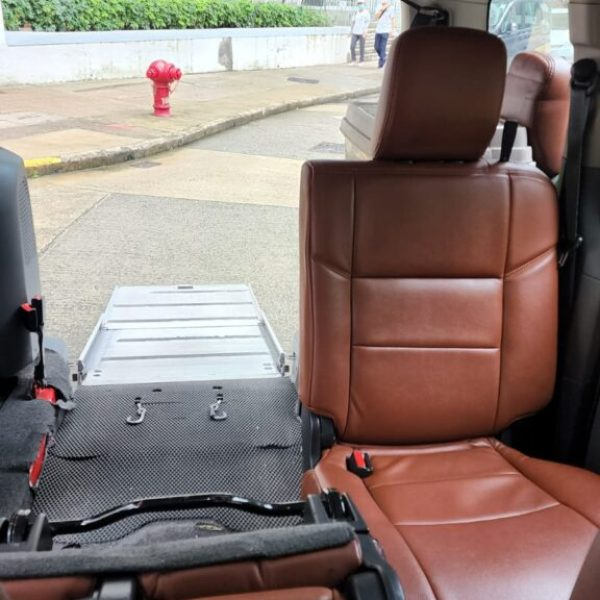
A wheelchair friendly taxi is specifically designed or adapted to carry passengers who use wheelchairs, without the need for them to transfer from their chair to the vehicle seat. These taxis are equipped with ramps or lifts, spacious interiors, secure restraint systems, and trained drivers who understand how to assist passengers effectively. The goal is to ensure that wheelchair users enjoy the same freedom of movement as everyone else. This type of service has become increasingly important in cities around the world, where accessibility and inclusivity are becoming central elements of urban planning.
One of the primary benefits of wheelchair accessible taxis is independence. Many individuals with disabilities prefer to maintain control over their transportation rather than rely entirely on family, caregivers, or specialized transport services with limited schedules. With a wheelchair friendly taxi, passengers can book rides at their convenience, travel to a variety of destinations, and manage their day-to-day activities without unnecessary obstacles. This increased mobility fosters a greater sense of confidence and participation in community life, from attending social gatherings to pursuing career opportunities.
Safety and comfort are equally important factors. Wheelchair taxis are designed to meet strict safety standards, ensuring that the wheelchair is secured firmly in place during transit. This eliminates the risk of movement or tipping, which can happen in regular vehicles not designed for mobility equipment. Many taxis also feature hydraulic lifts that allow easy boarding, reducing physical strain for passengers and drivers alike. Spacious designs provide ample room for passengers, caregivers, or family members to travel together. In addition, professional drivers are trained to handle equipment, operate lifts, and ensure a smooth and respectful service experience.
Beyond individual benefits, the availability of wheelchair friendly taxis represents a broader societal commitment to inclusion. Governments, transport authorities, and private taxi companies that invest in these vehicles send a clear message that mobility rights matter. Equal access to transportation is not just a convenience—it is a human right that directly influences social integration and economic participation. When communities embrace accessible transportation, they foster an environment where people with disabilities can thrive, contribute, and feel valued. This makes cities more compassionate, forward-thinking, and supportive of diversity.
Technology has also played a significant role in improving wheelchair accessible taxi services. Ride-hailing apps now allow passengers to specifically request accessible vehicles, making booking far more convenient. GPS tracking, digital payment systems, and real-time updates enhance the user experience while ensuring transparency and reliability. Some services even offer subscription-based or discounted rides for frequent users, making transportation more affordable. These advancements have made wheelchair friendly taxi services not just functional, but also efficient and user-friendly in today’s fast-paced world.
The availability of such taxis varies significantly depending on the location. In many developed countries, laws mandate a percentage of taxi fleets to be wheelchair accessible, ensuring minimum standards are met. For example, large cities like London, New york, and Sydney have robust fleets of accessible taxis. However, in smaller towns or developing regions, availability may be limited due to costs and lack of infrastructure. This highlights the need for continuous advocacy and investment to expand accessible transport networks globally. Partnerships between governments, private companies, and non-profit organizations can play a vital role in increasing access and affordability.
Despite progress, challenges remain. High vehicle modification costs, limited awareness, and uneven geographic distribution often restrict the growth of wheelchair friendly taxi services. In some regions, passengers report difficulties finding available vehicles during peak hours or in rural areas. To address these issues, policymakers and transportation providers need to collaborate on funding programs, incentives for taxi operators, and public campaigns to highlight the importance of accessibility. Creating awareness can also encourage passengers without mobility needs to support companies that prioritize inclusivity, helping such services remain sustainable in the long term.
Looking to the future, wheelchair accessible transportation will continue to evolve alongside broader mobility innovations. Electric and hybrid vehicles are being integrated into taxi fleets, including accessible models, reducing environmental impact while maintaining functionality. Autonomous vehicles are another emerging area, with prototypes already being designed to support wheelchair access. As these technologies develop, the goal is to create a transportation ecosystem where accessibility is built-in rather than treated as an afterthought.
In conclusion, a wheelchair friendly taxi is far more than a mode of transport—it is a symbol of freedom, dignity, and inclusion. By breaking down barriers to mobility, these taxis empower individuals with disabilities to live more independent and fulfilling lives. They enhance safety, comfort, and convenience while reflecting society’s commitment to equality. Continued investment, innovation, and advocacy are essential to ensure that accessible transportation becomes a universal standard. Ultimately, when cities and communities prioritize mobility for all, everyone benefits, creating a more connected, fair, and compassionate world.