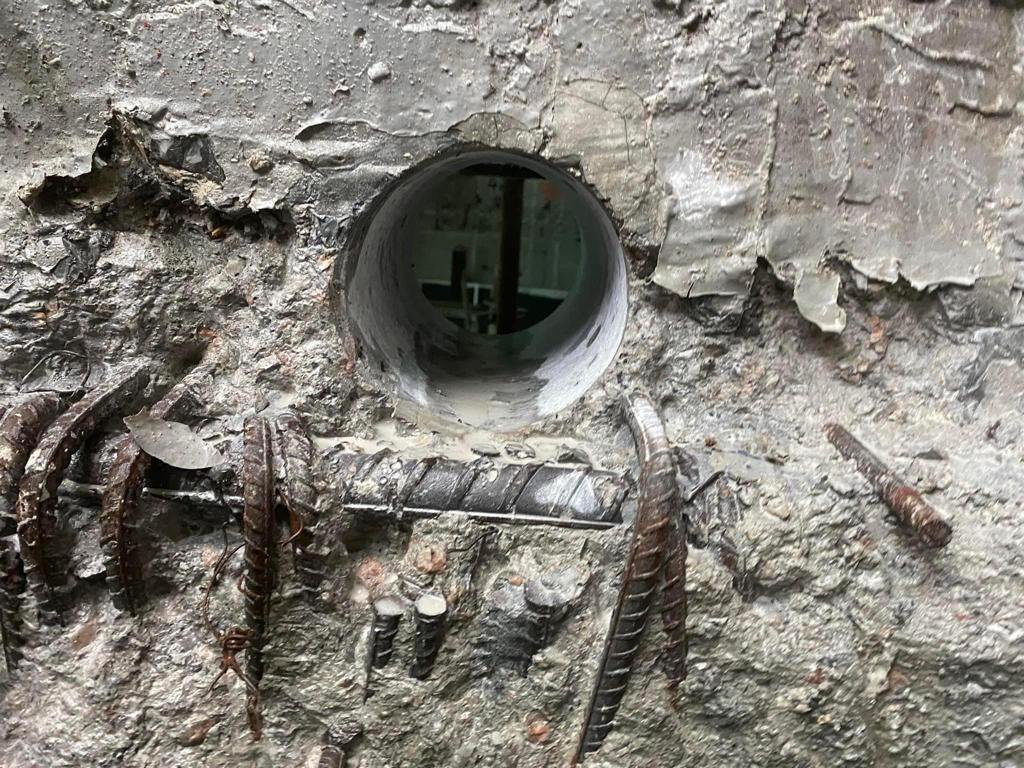
Construction is one of the most fundamental industries that shapes the world we live in. From towering skyscrapers and bridges to homes, schools, and hospitals, construction is the backbone of modern civilization. It goes beyond simply erecting structures; it 混凝土切割 the art and science of designing, planning, and bringing ideas to life. For centuries, humans have used construction to develop cities, connect communities, and create environments that support everyday living. Today, construction has become more advanced, efficient, and sustainable than ever before, integrating technology and innovation to meet the demands of growing populations.
The history of construction stretches back to ancient times when humans built shelters using natural materials like wood, stone, and clay. Early construction was primarily about survival—creating homes that could withstand weather conditions and protect communities. Over time, construction evolved into a craft, and civilizations like the Egyptians, Greeks, and Romans developed architectural marvels that still inspire modern design. The pyramids, aqueducts, and temples of the past are reminders of how far construction has come. In the modern era, the field has expanded with steel, concrete, and advanced machinery, allowing the creation of massive, durable, and sophisticated structures that were unimaginable in ancient times.
One of the key aspects of construction is the planning and design process. Every project begins with an idea that is translated into blueprints and models by architects and engineers. These designs must balance functionality, aesthetics, and safety. Construction is not just about building for today; it is also about planning for the future. This means that buildings must be durable, energy-efficient, and adaptable to future needs. Regulations and codes ensure that construction projects meet safety standards, protecting the people who will live and work in these structures. The collaboration between architects, engineers, and construction workers is what transforms a vision into a tangible reality.
Technology has significantly transformed construction in recent decades. The introduction of machinery like cranes, excavators, and bulldozers has made large-scale construction projects more efficient and less labor-intensive. Digital tools, such as Building Information Modeling (BIM), allow teams to create detailed 3d models of projects before construction even begins, reducing errors and saving costs. Robotics and drones are increasingly being used for site inspections, safety monitoring, and even bricklaying. Additionally, advancements in materials, such as self-healing concrete and lightweight composites, are improving the durability and sustainability of modern structures. These innovations highlight how construction is no longer just about manual labor but about blending engineering with technology.
Sustainability is another vital theme in today’s construction industry. With growing concerns about climate change and environmental impact, construction companies are focusing on green building practices. This includes using eco-friendly materials, incorporating renewable energy systems, and designing buildings that minimize energy consumption. Green certifications, like LEED (Leadership in Energy and Environmental Design), are becoming more common, encouraging developers to prioritize sustainability. For example, buildings with solar panels, rainwater harvesting systems, and natural ventilation are reducing carbon footprints and offering healthier living environments. In addition to reducing harm to the planet, sustainable construction also provides long-term economic benefits by lowering operational costs.
The role of construction in economic development cannot be overstated. It is one of the largest industries worldwide, employing millions of workers and contributing significantly to GDP. Infrastructure projects, such as roads, bridges, and airports, connect communities and facilitate trade, boosting economies on a global scale. Residential construction provides homes for families, while commercial projects support businesses and industries. Moreover, construction creates opportunities for skilled and unskilled labor, offering jobs that sustain livelihoods. As cities continue to expand and populations grow, the demand for construction remains strong, making it a critical driver of economic progress.
However, the construction industry also faces challenges. Cost overruns, project delays, and safety risks are common issues that companies must manage. Construction sites can be dangerous, and ensuring the health and safety of workers is a top priority. Weather, supply chain disruptions, and unforeseen design flaws can impact timelines and budgets. Additionally, the industry struggles with labor shortages in many regions, as younger generations may be less inclined to pursue careers in construction. Addressing these challenges requires ongoing investment in training, safety protocols, and efficient project management systems.
Another important trend in construction is the rise of smart cities and digital infrastructure. Modern construction projects often include advanced technologies like smart sensors, automated lighting, and integrated security systems. These features are designed to make buildings more efficient, responsive, and user-friendly. For example, smart homes can adjust temperature and lighting automatically, while office buildings can monitor energy usage in real-time. Construction is no longer just about creating physical spaces—it is about developing intelligent environments that adapt to the needs of their occupants. This integration of construction and technology is shaping the cities of tomorrow.
Construction also plays a cultural and social role in society. Iconic buildings, monuments, and bridges often become symbols of national pride and identity. For example, the Eiffel Tower in Paris or the Burj Khalifa in Dubai are more than just structures—they represent innovation, ambition, and cultural heritage. Construction allows societies to express creativity and showcase their values through architecture. Public spaces, such as parks, libraries, and community centers, foster social interaction and contribute to the well-being of citizens. In this way, construction is not just about functionality but also about shaping the human experience.
Looking ahead, the future of construction is promising and filled with possibilities. The industry is moving towards greater automation, sustainability, and efficiency. 3d printing is beginning to revolutionize construction by allowing entire houses to be printed in a matter of days, significantly reducing costs and timelines. Modular construction, where buildings are assembled in sections offsite and then put together on location, is becoming increasingly popular for its speed and flexibility. Artificial intelligence is being used to predict project risks, manage logistics, and optimize workflows. With these advancements, construction is set to become faster, safer, and more innovative than ever before.
In conclusion, construction is far more than a process of building; it is the foundation upon which civilizations thrive. It has evolved from simple shelters to complex, technologically advanced structures that define modern life. As the industry embraces sustainability, innovation, and digital transformation, it will continue to shape the future of our cities and societies. Despite challenges, construction remains an essential driver of economic growth, cultural expression, and human progress. Whether building homes, hospitals, or highways, construction reflects the values and ambitions of humanity, making it one of the most vital industries in the world.