The quest for greater efficiency in automotive engines has led to significant technological advancements, and GAC Group is at the forefront of this innovation with its fourth-generation 2.0ATK engine. A standout feature of this latest engine is its remarkable thermal efficiency, which reaches up to 42.10%. This blog post will explore the implications of this breakthrough and how GAC Group is setting new standards in engine performance and environmental sustainability.
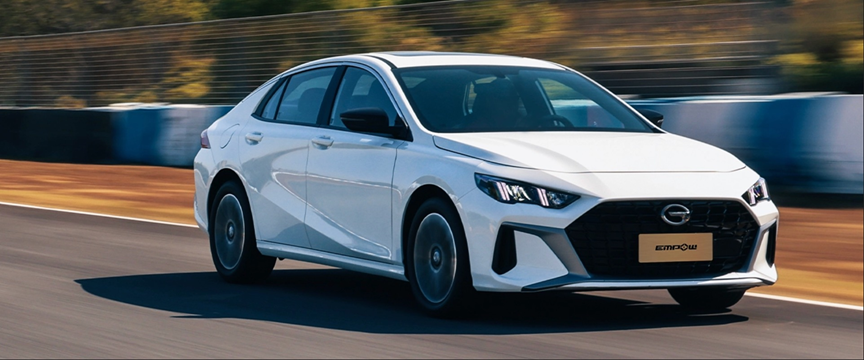
Unpacking Thermal Efficiency in the 2.0ATK Engine
Thermal efficiency is a measure of how well an engine converts the heat from fuel into work. An engine with a higher thermal efficiency is better at using the energy contained in fuel, thereby reducing waste and emissions. GAC Motor’s fourth-generation 2.0ATK engine achieves a thermal efficiency of 42.10%, which is exceptionally high for combustion engines, typically ranging around 20-30% in standard passenger vehicles. Let’s delve into the elements that contribute to this high level of efficiency:
Advanced Combustion Techniques
The GAC’s 2.0ATK engine incorporates state-of-the-art combustion technologies that optimize the burn rate and reduce heat loss. High compression ratios and refined ignition timing control are key factors that enhance the combustion process, allowing the engine to extract more useful energy from each drop of fuel. This precision in managing combustion dynamics is crucial for achieving such high thermal efficiency.
Cutting-edge Fuel Injection Technology
Fuel injection plays a pivotal role in achieving high thermal efficiency. The GAC Motor’s 2.0ATK engine uses a sophisticated direct fuel injection system that delivers fuel at very high pressures directly into the combustion chamber. This method ensures a more thorough mixing of fuel and air, leading to more complete combustion and less fuel wastage.
Heat Recovery Systems
Another critical component of the GAC Group’s 2.0ATK engine’s design is its ability to recover and reuse heat that would otherwise be wasted. By employing advanced heat recovery systems, the engine harnesses heat from the exhaust gases and coolant systems to improve overall efficiency. This not only boosts thermal efficiency but also helps in warming the engine up faster, reducing the wear and tear associated with cold starts.
Reduced Internal Friction
Engine friction is a major barrier to achieving high thermal efficiency. The 2.0ATK engine addresses this challenge by incorporating low-friction technologies, such as specialized coatings on pistons and improved bearing designs. These modifications significantly reduce the energy lost due to friction, allowing more of the fuel’s energy to be used in driving the vehicle.
Implications of High Thermal Efficiency
Enhanced Fuel Economy
A direct benefit of high thermal efficiency is improved fuel economy. Vehicles equipped with the 2.0ATK engine can travel further on the same amount of fuel compared to less efficient engines. This efficiency translates into cost savings for consumers and fewer greenhouse gas emissions, aligning with global environmental goals.
Lower Operational Costs
Reduced fuel consumption means not only savings at the pump but also potentially lower maintenance costs over the engine’s lifespan. Engines with higher thermal efficiency typically exhibit less wear and tear since they operate more smoothly and maintain better temperature control.
Environmental Impact
With its high thermal efficiency, the 2.0ATK engine contributes significantly to reducing the carbon footprint of vehicles. This performance is crucial as the automotive industry moves towards more sustainable practices and as governments impose stricter emissions regulations.
Conclusion
GAC Group’s fourth-generation 2.0ATK engine represents a significant leap forward in engine technology, with a thermal efficiency of 42.10%, setting [1] a new benchmark in the industry. This breakthrough not only showcases GAC Group’s commitment to innovation but also its dedication to environmental stewardship and economic value for consumers. As thermal efficiency continues to gain importance in the automotive sector, GAC Group’s advancements position it as a leader in developing engines that are both powerful and sustainable.