Hearing is one of the most vital senses, allowing people to connect with others, enjoy the sounds of life, and stay aware of their surroundings. For those who experience hearing loss, daily activities such as conversations, work, or social events can become difficult and even 助聽器款式 . Hearing aids have emerged as an effective solution, helping millions of people regain clarity of sound and improve their overall quality of life. These small yet powerful devices have advanced significantly over the years, combining sophisticated technology with user-friendly features to provide both comfort and functionality.
Hearing loss can occur for various reasons, including aging, prolonged exposure to loud noises, medical conditions, or genetics. Regardless of the cause, untreated hearing loss often impacts a person’s mental, emotional, and physical well-being. Many individuals may experience frustration, difficulty communicating, and even social withdrawal. Hearing aids, when fitted and adjusted correctly, offer a practical way to overcome these challenges. They work by amplifying sounds, making speech and other environmental noises easier to hear. Importantly, modern designs are tailored to suit different types and degrees of hearing loss, making them more accessible than ever before.
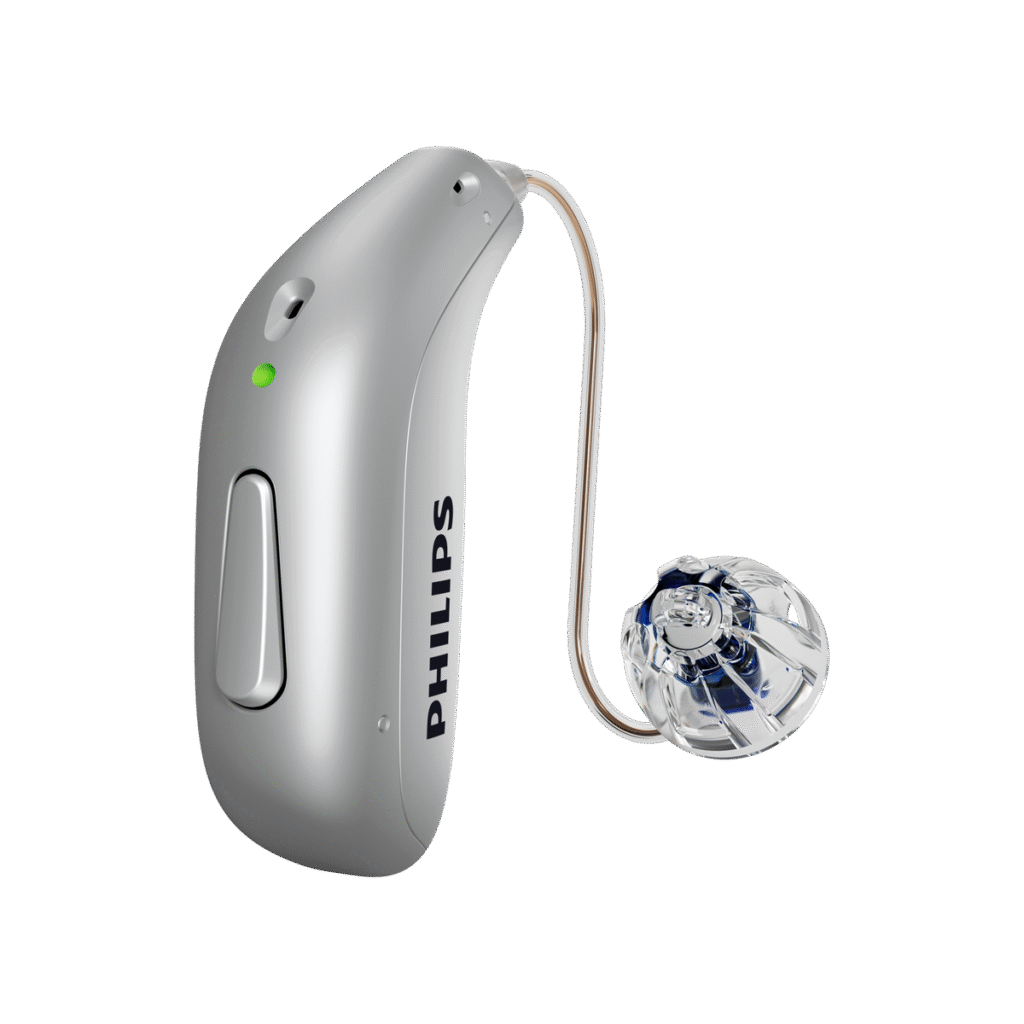
Over the years, hearing aids have evolved dramatically. Early versions were bulky and uncomfortable, often producing distorted sound. Today, modern hearing aids are discreet, lightweight, and equipped with digital technology. Some of the most common types include behind-the-ear (BTE), in-the-ear (ITE), and completely-in-the-canal (CIC) models. BTE aids sit comfortably behind the ear and are suitable for a wide range of hearing losses. ITE devices fit directly in the ear and are more compact, while CIC aids are almost invisible, offering aesthetic appeal along with functionality. Advances such as noise reduction, directional microphones, Bluetooth connectivity, and rechargeable batteries have made hearing aids more effective and convenient for daily use.
Beyond simply amplifying sounds, hearing aids now incorporate smart technology to adapt to different environments. For example, some devices can automatically adjust volume and settings depending on whether a person is in a quiet room, a noisy restaurant, or outdoors. Bluetooth-enabled hearing aids allow users to connect to smartphones, televisions, and computers, transforming the devices into wireless headsets. This not only improves communication but also enhances entertainment experiences. Rechargeable batteries have also eliminated the need for frequent replacements, adding to convenience and sustainability. With these innovations, hearing aids are no longer seen as basic medical devices but as advanced personal technology tools.
The benefits of wearing hearing aids extend far beyond improved hearing. Studies show that individuals who address their hearing loss experience reduced stress, better memory retention, and stronger social connections. Communication becomes easier, leading to improved relationships with family, friends, and colleagues. Additionally, hearing aids can reduce the risk of cognitive decline associated with untreated hearing loss. Many users also report feeling safer and more independent, as they can better detect environmental sounds such as alarms, traffic, or approaching footsteps. In short, hearing aids not only restore sound but also restore confidence and participation in everyday life.
Despite the clear advantages, some people are hesitant to use hearing aids due to misconceptions. Common myths include the belief that hearing aids make users appear old, that they are uncomfortable, or that they cannot restore natural sound. In reality, modern devices are sleek, comfortable, and designed to produce sound as close to natural as possible. The stigma associated with hearing aids has also lessened over time, especially as they now resemble popular wireless earbuds that many people wear daily. Awareness and education play a crucial role in encouraging those with hearing difficulties to seek professional help and explore suitable options.
The process of getting hearing aids usually begins with a hearing test conducted by an audiologist or hearing specialist. Based on the results, the professional recommends the most suitable device and customizes its settings to match the individual’s hearing profile. Proper fitting, adjustments, and follow-up care are essential to ensure comfort and maximum benefit. Many providers also offer trial periods, allowing users to test the device in their everyday environment before making a long-term commitment. With professional support, most users adapt quickly and find that the devices become an essential part of their daily routine.
Looking ahead, the future of hearing aids is likely to bring even more exciting innovations. Artificial intelligence (AI) is being integrated into some devices, enabling them to learn user preferences and automatically adjust to optimize sound quality. Telehealth options now allow remote adjustments and consultations, making it easier for users to access professional care without frequent in-person visits. As technology continues to evolve, hearing aids will become even more personalized, discreet, and effective, further improving the lives of those with hearing difficulties.
In conclusion, hearing aids are much more than simple sound amplifiers; they are life-enhancing tools that restore communication, confidence, and independence. With modern advancements, they are now more discreet, powerful, and adaptable than ever before. For anyone experiencing hearing loss, seeking professional advice and exploring hearing aid options can be a transformative step toward a fuller, more connected life. Hearing is too important to ignore, and with today’s technology, regaining it is within reach.