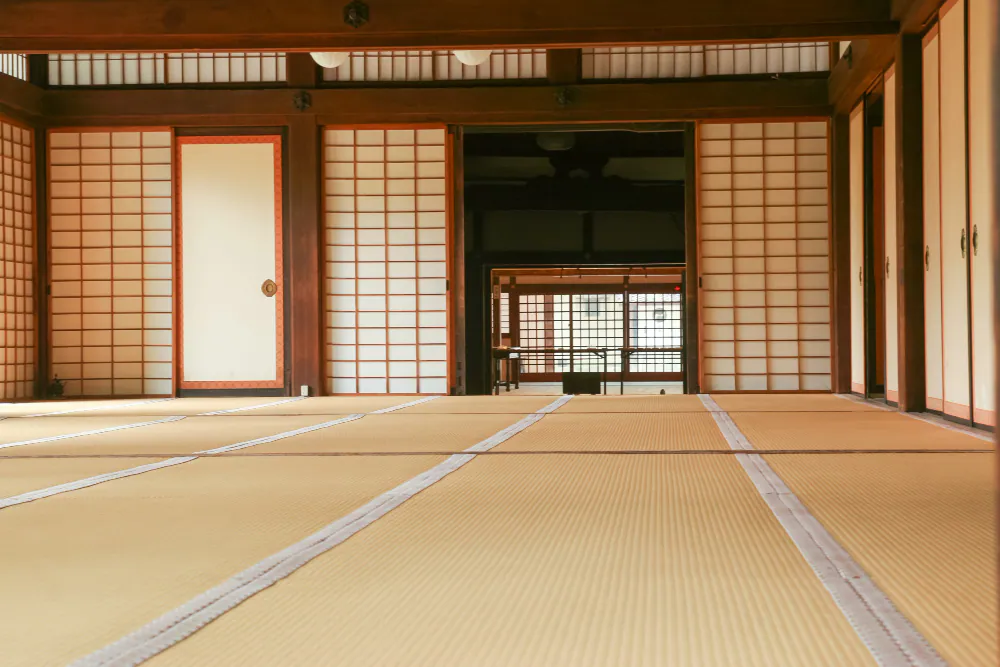
Tatami has been thought to be a fundamental element of traditional Japanese people homes, which represent simplicity, balance, and harmony with nature. More than just a variety of flooring, Tatami embodies a lifestyle that highlights mindfulness, flexibility, and comfort. Today, it continues to influence modern design, offering both practical benefits and aesthetic appeal that transcends cultural limits.
At its substance, Tatami is constructed from natural materials, traditionally weaved from hemp straw and covered with soft rush your lawn. This combination creates a unique texture that is firm yet slightly springy underfoot 榻榻米地墊. Walking or sitting on Tatami gives a tactile experience of a floor that promotes relaxation and a grounded sense of well-being. Unlike hard floors or man made carpets, Tatami encourages mindfulness in daily activities, whether sitting, meditating, or simply moving via a room.
One of the key features of Tatami is its multifunctionality. Rooms featuring Tatami are inherently versatile, capable of serving different purposes throughout the day. In a traditional setting, a Tatami room might be used for tea ceremonies, social gatherings, sleeping, or deep breathing. This flexibility makes Tatami highly practical in modern homes, particularly in cities where space is bound. A single Tatami room can work as an income room, a bedroom, or a workspace without requiring permanent furniture changes.
Tatami also contributes to the comfort of a liveable space with techniques that go beyond appearance. Its natural fibers provide warmth, helping to maintain a moderate temperature in both winter and summer. Additionally, Tatami absorbs moisture and scents, enhancing indoor air quality. Its slight cushioning effect makes it comfortable for sitting or lying down, reducing fatigue and encouraging relaxation. This combination of physical comfort and environmental responsiveness is one reason Tatami has lived with as a preferred flooring option for centuries.
The aesthetic selling point of Tatami is equally significant. Its simple, natural tones create a calm and harmonious environment that can complement a variety of design styles. Minimal spaces benefit from the clean lines and modest elegance of Tatami, while more eclectic rooms can use Tatami as a grounding element. Designers appreciate Tatami not only for its beauty additionally its capacity to create visual balance and a sense of cohesion within a room.
Incorporating Tatami into a modern home can also foster an awareness of cultural appreciation and mindfulness. Tatami encourages residents to slow down and engage intentionally with their surroundings. Daily routines, such as setting up bedding, arranging soft cushions, or cleaning the room, become small rituals that promote focus and presence. This mindful interaction with the environment aligns with contemporary interests in wellness, mental clarity, and minimalism.
Tatami is specially well-suited for compact living spaces, which are common in urban settings. Its modular nature allows for easy installation and rearrangement, making it ideal for apartments, studios, or multi-functional rooms. Unlike cumbersome furniture, Tatami gives a flexible foundation that can be modified to changing needs. Homeowners can transform their spaces quickly, supporting a lifestyle that values efficiency and flexibility.
From a health perspective, Tatami offers benefits that contribute to overall well-being. Sitting or sleeping closer to a floor can improve position and encourage gentle body movements. The natural materials of Tatami are hypoallergenic and breathable, reducing the possibilities of allergens and creating a healthier indoor environment. These factors make Tatami an appealing choice for families, deep breathing practitioners, and anyone seeking a more natural and supportive liveable space.
Tatami also demonstrates a philosophy of sustainability. Its traditional construction uses renewable materials and highlights durability. Well-maintained Tatami can last for many years, reducing the requirement for frequent replacement. This eco-friendly approach aligns with contemporary values, promoting responsible consumption and environmental consciousness. Choosing Tatami is not only a design choice but also a statement about sustainable living.
In modern rooms, Tatami can be combined with contemporary furniture and décor to manufacture a unique blend of tradition and modernity. Low tables, floor soft cushions, and modular shelving complement the functionality and appearance of Tatami, creating spaces that feel open, welcoming, and balanced. This versatility ensures that Tatami remains relevant, offering both practical solutions and a distinctive design identity.
The emotional impact of Tatami cannot be overlooked. Rooms with Tatami often feel peaceful and inviting, encouraging relaxation and mindfulness. The texture, subtle fragrance, and natural warmth of Tatami contribute to a calming atmosphere, making it an ideal choice for spaces dedicated to rest, representation, or quiet social interaction. This capacity to shape mood and ambiance sets Tatami apart from other styles of flooring.
Tatami also promotes social interaction in subtle ways. Traditional Japanese people culture places increased exposure of floor-level sitting during meals or gatherings, encouraging friendship and equality among participants. Incorporating Tatami in modern homes encourages similar interaction, whether during casual talks, family meals, or group activities. The floor-level arrangement nurtures connection and intimacy, reinforcing the social dimension of home life.
Maintenance of Tatami is straightforward, requiring regular cleaning and consideration to moisture levels. Unlike man made materials that weaken quickly, Tatami’s natural fibers can be rested and preserved with proper care. Its durability and low environmental impact make it a practical choice for those seeking a long-lasting, elegant flooring solution.
Ultimately, Tatami represents regarding green traditional element of Japanese people culture; it embodies a lifestyle of intentionality, comfort, and harmony. Its blend of usefulness, aesthetic appeal, and health benefits makes it an ideal choice for both traditional and modern homes. Tatami encourages residents to slow down, engage their surroundings, and create spaces that are functional, beautiful, and taking care of.